Sink Grids Kitchen Sink Accessories: Complete Guide to Choosing the Right One
A kitchen sink is one of the busiest areas in any home. From washing dishes and rinsing vegetables to cleaning cookware, your sink needs to handle plenty of daily use. The right sink grids and kitchen sink accessories can make this area more practical, organized, and easier to maintain.
A sink grid is designed to sit at the bottom of the sink, creating a raised surface between your dishes and the sink basin. Along with accessories such as sink strainers, drying racks, rinse baskets, cutting boards, and soap dispensers, a well-chosen sink setup can improve your everyday kitchen routine.
In this guide, we’ll explain what sink grids are, why they are useful, how to choose the right size, and which kitchen sink accessories are worth considering.
What Is a Kitchen Sink Grid?
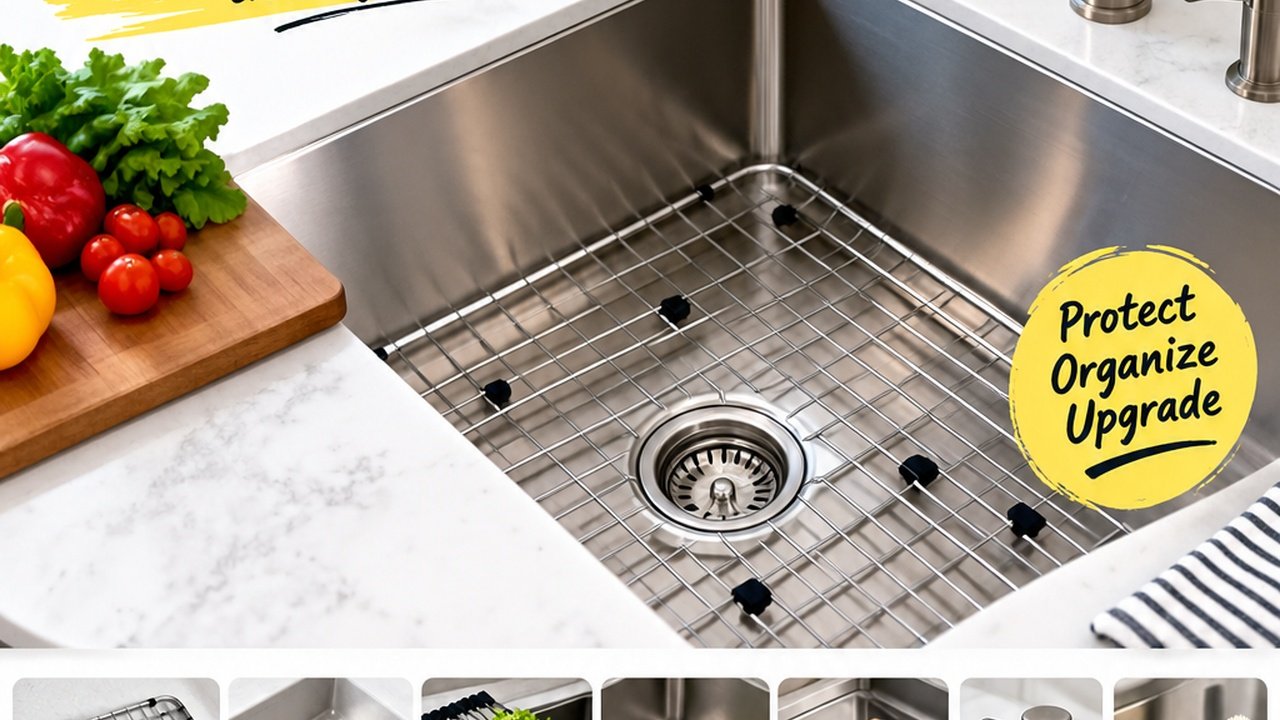
A kitchen sink grid is a metal or coated rack designed to fit inside the bottom of a sink. It usually has a grid-like construction that allows water and food particles to flow toward the drain.
Most sink grids are made from stainless steel because it is durable, easy to clean, and suitable for a wet kitchen environment.
Depending on the sink design, grids may include:
- Protective rubber feet
- Side bumpers
- Drain openings
- Custom-fit corners
- Raised supports
- Removable sections
The most important factor is finding a grid that fits your sink properly.
Why Use Sink Grids?
A sink grid is more than just a decorative accessory. It can provide several practical benefits.
1. Protects the Sink Bottom
Pots, pans, plates, and other cookware can scratch the bottom of a sink when they are moved around. A properly fitted grid creates a protective layer between the cookware and sink surface.
2. Improves Water Drainage
Because the dishes sit slightly above the bottom of the basin, water can flow underneath them toward the drain.
This can be especially useful when rinsing dishes or washing produce.
3. Keeps Dishes Elevated
A grid prevents dishes and cookware from sitting directly on the sink surface. This creates additional space underneath for water to drain.
4. Helps Reduce Scratches
Heavy cookware can leave marks on some sink finishes. A protective grid can reduce direct contact between cookware and the sink.
5. Makes the Sink More Functional
A sink grid can turn the bottom of your sink into a more organized working area, especially when combined with other kitchen sink accessories.
Popular Kitchen Sink Accessories
A sink grid is only one part of a functional sink setup. Several other accessories can make your kitchen sink more convenient.
1. Sink Strainer
A sink strainer helps prevent larger food particles from entering the drain.
Look for a durable stainless steel design that fits your drain opening properly.
2. Sink Rinse Basket
A rinse basket is useful for washing fruits, vegetables, and smaller kitchen items.
Instead of placing everything directly into the sink, you can use the basket to rinse and drain food more easily.
3. Over-the-Sink Drying Rack
An over-the-sink drying rack sits across the sink and provides a convenient place to dry dishes, utensils, fruits, and vegetables.
Many models can also be rolled up when not in use, making them useful for smaller kitchens.
4. Sink Cutting Board
A cutting board designed to fit over the sink can provide additional preparation space.
It can be particularly useful when countertop space is limited.
5. Soap Dispenser
A built-in or countertop soap dispenser keeps dish soap within easy reach while reducing countertop clutter.
6. Sink Caddy
A sink caddy can hold sponges, brushes, scrubbers, and other cleaning tools.
Choose one with drainage holes or an open design to help prevent excess water from collecting.
7. Sink Colander
A sink colander can make washing and draining pasta, fruits, vegetables, and other foods more convenient.
Some designs rest directly across the sink, leaving your hands free while water drains below.
How to Choose the Right Sink Grid
Choosing the correct sink grid is important because not every grid will fit every sink.
Measure Your Sink First
Before purchasing a grid, measure the interior dimensions of your sink.
Measure:
- Length
- Width
- Depth
- Drain location
- Corner shape
Do not rely only on the outside dimensions of the sink.
The usable interior space may be smaller.
Check the Drain Position
Some sink grids have a specific opening designed to fit around the drain.
If the drain opening doesn’t align correctly, the grid may block water flow or fail to sit properly.
Consider the Sink Shape
Rectangular sinks are generally easier to match with standard grids, while unusual shapes may require a custom or specifically designed grid.
Look for Adjustable Features
Some sink accessories have adjustable or expandable designs. These can be useful if you want more flexibility.
Choose Durable Materials
Stainless steel is a popular material for kitchen sink grids because it is strong and resistant to everyday moisture.
A protective coating can also help prevent direct metal-to-sink contact.
Stainless Steel Sink Grids vs. Other Materials
Stainless steel is one of the most common choices for sink grids, but other materials are also available.
Stainless Steel
Advantages:
- Durable
- Easy to clean
- Resistant to everyday moisture
- Modern appearance
- Suitable for frequent use
Plastic or Polymer Grids
These may be lightweight and affordable. They can also be easier to handle when cleaning.
However, durability can vary depending on the material and construction.
Coated Metal Grids
Some grids feature a protective coating over a metal frame. This can provide additional protection for certain sink surfaces.
When choosing a material, consider your sink finish, cleaning routine, and how frequently you use the sink.
Are Sink Grids Worth It?
For many kitchens, a sink grid can be a useful accessory because it adds protection and improves the functionality of the sink.
It can be particularly helpful if you frequently wash heavy cookware or want to keep dishes elevated from the bottom of the basin.
However, the benefits depend on choosing the correct size and maintaining the grid properly.
How to Clean a Kitchen Sink Grid
Regular cleaning helps prevent food residue and buildup.
Step 1: Remove the Grid
Take the grid out of the sink and rinse it thoroughly.
Step 2: Remove Food Particles
Use a soft brush or sponge to remove food debris trapped between the bars.
Step 3: Wash With Mild Soap
Clean the grid using warm water and a mild dishwashing soap.
Step 4: Clean the Sink
While the grid is removed, clean the bottom and sides of the sink.
Step 5: Rinse and Dry
Rinse the grid thoroughly and allow it to dry before placing it back.
Always follow the manufacturer’s cleaning recommendations, particularly for coated or specialty finishes.
Common Mistakes When Buying Sink Grids
Avoid these mistakes when shopping for a kitchen sink grid.
Buying Without Measuring
A grid that is slightly too large may not fit inside the basin correctly.
Ignoring the Drain Location
Even if the length and width seem correct, an incorrectly positioned drain opening can cause problems.
Choosing the Cheapest Option Only
Price is important, but construction quality, fit, materials, and durability should also be considered.
Forgetting the Sink Finish
Some sink surfaces can be more sensitive to direct contact with metal accessories. Check compatibility before purchasing.
Not Checking the Feet and Bumpers
Protective feet and bumpers help keep the grid elevated and reduce direct contact with the sink.
Best Kitchen Sink Accessories for an Organized Sink
If you want to create a complete and functional sink station, consider combining several accessories.
A practical setup might include:
- Sink grid — protects the bottom of the sink
- Sink strainer — helps catch food particles
- Rinse basket — useful for washing produce
- Drying rack — provides extra drying space
- Soap dispenser — keeps dish soap accessible
- Sink caddy — organizes cleaning tools
- Cutting board — adds preparation space
- Colander — makes rinsing and draining easier
You don’t need every accessory. Choose the products that match your cooking habits and available space.
How to Keep Your Kitchen Sink Organized
A few simple habits can make your sink area much easier to manage.
Keep Cleaning Tools Together
Use a sink caddy to organize sponges and brushes.
Don’t Leave Food Debris in the Sink
Remove food particles after washing dishes to help keep the sink cleaner.
Clean the Grid Regularly
Food and residue can collect underneath and between the grid bars.
Use the Drying Area Efficiently
If you have an over-the-sink drying rack, use it for items that need to air dry instead of filling the countertop.
Avoid Overloading the Sink
A sink grid works best when cookware and dishes are arranged rather than piled heavily on top of one another.
Frequently Asked Questions About Sink Grids
What is the purpose of a sink grid?
A sink grid sits at the bottom of a kitchen sink to help protect the sink surface and keep dishes and cookware elevated.
Are stainless steel sink grids good?
Stainless steel is a popular choice because it is durable, easy to clean, and well suited to regular kitchen use.
How do I know what size sink grid I need?
Measure the interior length and width of your sink and check the drain position. Compare these measurements with the manufacturer’s product dimensions before purchasing.
Can a sink grid prevent scratches?
A properly fitted grid can reduce direct contact between cookware and the sink bottom, which may help reduce scratches from everyday use.
Can I use a sink grid with a farmhouse sink?
Yes, many farmhouse sinks are designed to accommodate bottom grids. However, you should choose a grid specifically compatible with your sink’s dimensions and drain configuration.
Do sink grids need cleaning?
Yes. Food particles and residue can collect underneath or between the grid bars, so regular cleaning is recommended.
Final Thoughts
Sink grids and kitchen sink accessories can make a noticeable difference in the functionality and organization of your kitchen sink. A well-fitted sink grid can help protect the basin, elevate cookware, and improve drainage, while accessories such as strainers, drying racks, rinse baskets, cutting boards, and sink caddies can make everyday kitchen tasks easier.
Before buying, focus on accurate measurements, drain placement, sink compatibility, material quality, and ease of cleaning. With the right combination of accessories, you can turn a basic kitchen sink into a more organized and efficient workspace.