How to Find the Perfect Hairstyle for Your Face Shape
Finding the right hairstyle isn’t just about following the latest trend. A haircut that looks amazing on one person may not have the same effect on someone else. One of the easiest ways to choose a flattering hairstyle is to consider your face shape, hair type, texture, and personal style.
Whether you have a round, oval, square, heart, diamond, or long face, the right haircut can help create balanced proportions and highlight your best features.
In this guide, you’ll learn how to find the perfect hairstyle for your face shape and what to consider before your next haircut.
Why Does Face Shape Matter?
Your face shape can influence how different haircuts and hairstyles look on you. The goal isn’t to “fix” your face shape—every face shape can look great. Instead, understanding your proportions can help you choose styles that complement your natural features.
Things such as:
- Face length
- Forehead width
- Cheekbone width
- Jawline shape
- Hair thickness
- Hair texture
- Hairline
can all affect how a particular hairstyle appears.
How to Determine Your Face Shape
Before choosing a hairstyle, identify your face shape.
Step 1: Pull Your Hair Back
Move your hair away from your face so your forehead, cheeks, and jawline are clearly visible.
Step 2: Look at Your Facial Proportions
Compare the width of your forehead, cheekbones, and jawline with the overall length of your face.
Step 3: Identify Your Closest Match
Most people fall approximately into one of these categories:
- Oval
- Round
- Square
- Oblong or long
- Heart
- Diamond
Remember that faces don’t always fit perfectly into one category. You may have characteristics of two different shapes.
1. Hairstyles for an Oval Face
An oval face is generally longer than it is wide, with a relatively balanced forehead and jawline.
Because the proportions are naturally versatile, many different hairstyles can work well.
Hairstyles to Try
- Textured crop
- Side part
- Medium-length layers
- Quiff
- Pompadour
- Buzz cut
- Short fade
- Longer layered styles
The key is choosing a hairstyle that works with your hair texture and personal style.
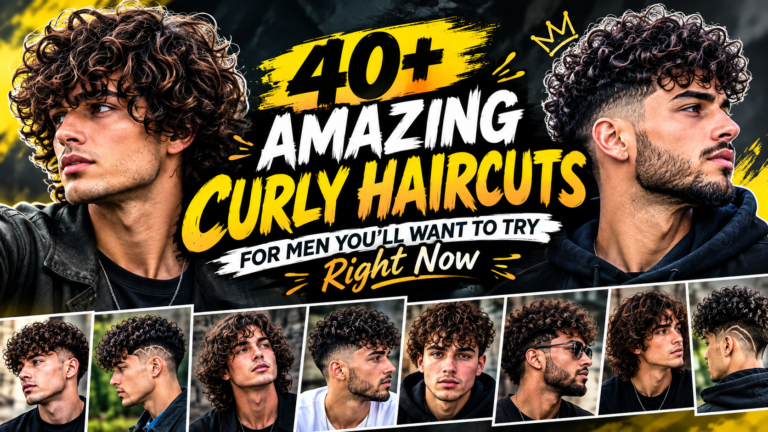
40+ Amazing Curly Haircuts For Men You’ll Want To Try Right Now
Styling Tip
Avoid choosing a hairstyle simply because it’s labeled “best for oval faces.” Your hair density, growth pattern, and maintenance preferences are equally important.
2. Hairstyles for a Round Face
A round face tends to have similar width and length, with softer facial angles.
If you want to create the appearance of additional length, hairstyles with some height or vertical texture can be useful.
Hairstyles to Try
- Textured quiff
- Pompadour
- High fade with volume
- Side-swept styles
- Longer textured top
- Angular fringe
Styling Tip
Adding volume toward the top can create a more elongated visual effect. Avoid overly flat styles if you prefer a more structured appearance.
3. Hairstyles for a Square Face
A square face usually has a strong jawline and relatively similar forehead, cheekbone, and jaw widths.
This face shape works well with both structured and relaxed hairstyles.
Hairstyles to Try
- Crew cut
- Buzz cut
- Classic side part
- Textured crop
- Short quiff
- Undercut
- Fade with a textured top
Styling Tip
You can either emphasize the strong facial structure with a clean, short haircut or soften the appearance with textured, slightly longer hair.
4. Hairstyles for a Long or Oblong Face
A long face, sometimes called an oblong face, is noticeably longer than it is wide.
The goal for some people is to create a more balanced appearance rather than adding additional height.
Hairstyles to Try
- Side part
- Medium-length textured styles
- Classic taper
- Fringe
- Layered haircut
- Side-swept hair
Styling Tip
Avoid adding excessive height on top if you don’t want your face to appear visually longer. Moderate volume and some width at the sides can create a balanced look.
5. Hairstyles for a Heart-Shaped Face
A heart-shaped face often features a wider forehead and a narrower chin.
Hairstyles that add some visual balance around the lower portion of the face can complement this shape.
Hairstyles to Try
- Side-swept fringe
- Medium-length layers
- Textured crop
- Messy waves
- Side part
- Chin-length styles
Styling Tip
Avoid making the top extremely heavy if you want to balance a broader forehead. A softer, textured style can work particularly well.
6. Hairstyles for a Diamond Face
A diamond face typically has prominent cheekbones with a narrower forehead and jawline.
Textured hairstyles can highlight the cheekbones while adding balance around the forehead and jaw.
Hairstyles to Try
- Textured fringe
- Side-swept styles
- Medium-length layers
- Messy quiff
- Classic taper
- Longer textured hairstyles
Styling Tip
Avoid hairstyles that make the sides extremely narrow if you want to maintain visual balance. Some texture and volume around the forehead and jaw can complement this face shape.
Consider Your Hair Type Too
Face shape is only one part of choosing a hairstyle.
Your hair type and texture can make a major difference.
Straight Hair
Straight hair often works well with:
- Side parts
- Slick-back styles
- Textured crops
- Layered cuts
- Pompadours
Wavy Hair
Wavy hair naturally adds texture and movement.
Consider:
- Layered cuts
- Medium-length styles
- Textured fringes
- Messy quiffs
- Tapered sides
Curly Hair
Curly hair can look especially impressive when the haircut works with the natural curl pattern.
Try:
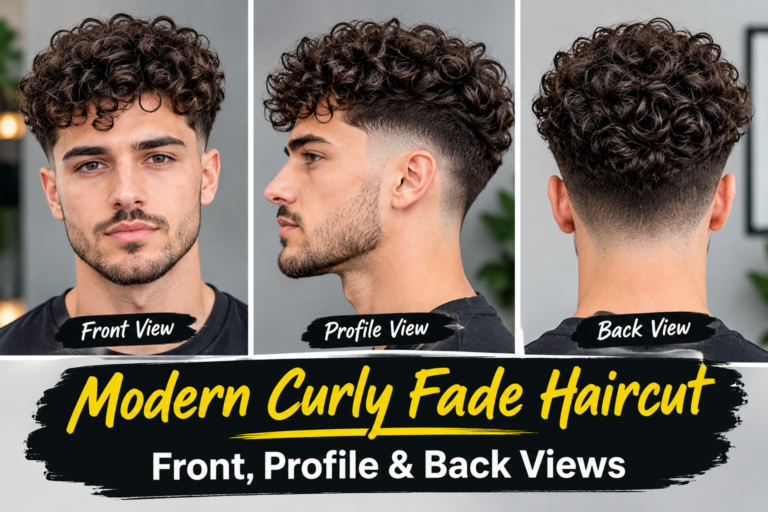
- Curly fades
- Layered curls
- Curly crops
- Medium-length curly styles
- Tapered curly hairstyles
Thick Hair
Thick hair gives you plenty of styling options but may require proper weight removal and layering.
Textured cuts, fades, and layered hairstyles can help manage bulk.
Fine or Thin Hair
For finer hair, excessive length can sometimes make the hair appear flatter. Shorter textured cuts and strategic layering can create the appearance of more volume.
Don’t Forget Your Hairline
Your hairline can also influence which haircut looks best.
For example, people with a higher hairline may prefer:
- Textured fringe
- Side-swept styles
- Caesar cuts
- Medium-length layered hairstyles
The goal isn’t necessarily to hide your hairline. Instead, choose a style that works naturally with it.
Think About Your Lifestyle
The “perfect” hairstyle isn’t necessarily the most fashionable haircut. It’s one you can realistically maintain.
Before choosing a haircut, ask yourself:
- How much time do I want to spend styling my hair?
- Do I prefer short or long hair?
- Am I comfortable using styling products?
- How often can I visit a barber or salon?
- Does my workplace require a particular appearance?
- Do I want a low-maintenance haircut?
A complicated hairstyle may look fantastic but become frustrating if it requires 20 minutes of styling every morning.
Bring a Reference Photo
One of the easiest ways to communicate your desired haircut to a barber or hairstylist is to bring a reference photo.
However, don’t simply say, “I want this exact haircut.”
Instead, explain what you like about it:
“I like the length and texture on top, but I want the sides slightly longer.”
This gives your barber a better understanding of your preferences while allowing them to adapt the haircut to your hair type and facial proportions.
Common Mistakes to Avoid
Choosing a Hairstyle Only Because It’s Trending
Trends come and go. Your haircut should work with your features and lifestyle rather than simply copying a popular look.
Ignoring Hair Texture
A hairstyle designed for straight hair may require a completely different approach for thick curly hair.
Choosing a High-Maintenance Cut
If you don’t enjoy daily styling, choose something easier to maintain.
Not Communicating With Your Barber
Be specific about length, fade height, texture, and how you normally style your hair.
Final Thoughts
Learning how to find the perfect hairstyle for your face starts with understanding your face shape, but that’s only the beginning. Your hair texture, density, hairline, lifestyle, and personal preferences are equally important.
Instead of searching for one “perfect” haircut, use your face shape as a starting point and experiment with styles that suit your natural features. A skilled barber or hairstylist can also help adapt a haircut to your individual proportions.
The best hairstyle is ultimately one that makes you feel comfortable, confident, and happy with your appearance.